Everyday Life In Monroe’s Established Neighborhoods
July 16, 2026
July 16, 2026
Ever wonder what daily life really feels like in one of Monroe’s older neighborhoods? If you are drawn to mature trees, front porches, and homes with a little more personality, you are probably looking for more than square footage alone. This guide will help you picture the rhythm of everyday life in Monroe’s established neighborhoods, from housing character to errands, parks, and what to know about historic district rules. Let’s dive in.
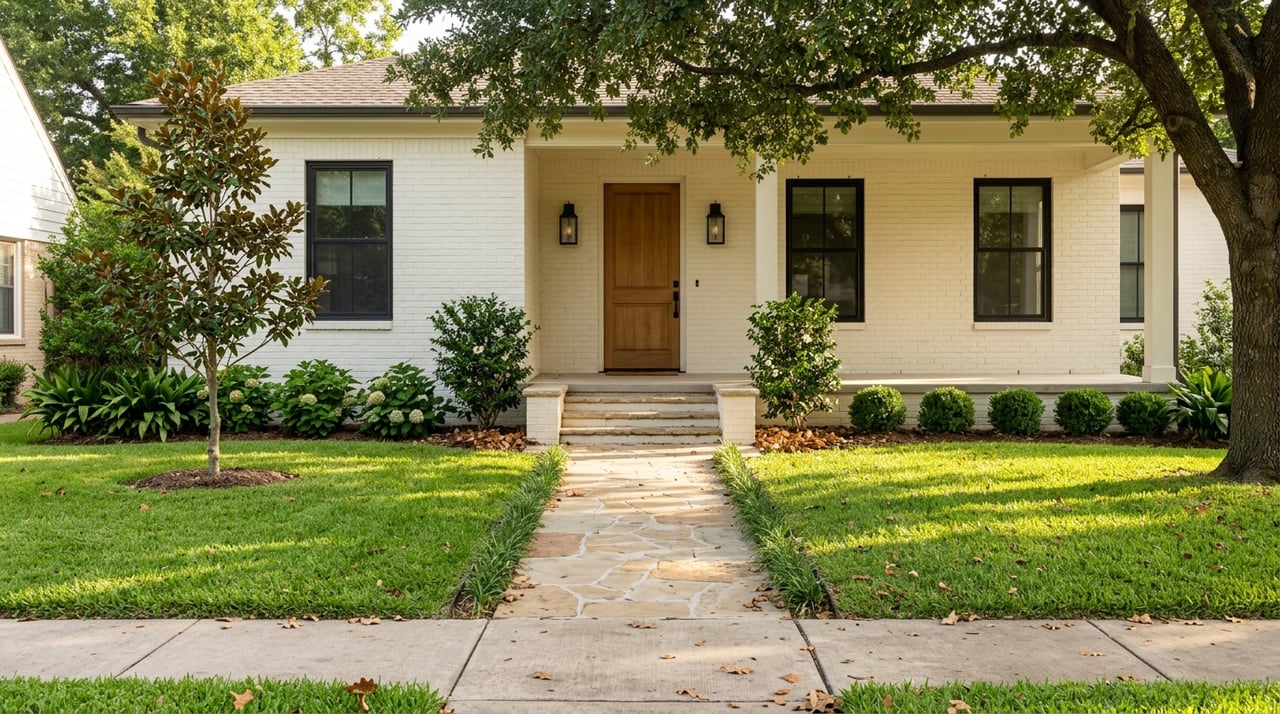
Many of Monroe’s older residential areas are described in city planning documents as older, stable neighborhoods, especially south of the Central Business District and within designated historic districts. These areas often feature single-family homes on larger lots, with many built before World War II.
The street layout also shapes how these neighborhoods feel day to day. The city points to traditional grid streets, sidewalks, pedestrian-scale lighting, and tree canopy as common features. You also see details like front porches or stoops, lawn space, and rear-yard garages that give many blocks a classic, established look.
For buyers, that usually means you are not just shopping for a house. You are also choosing a setting with a distinct visual rhythm and a stronger sense of architectural continuity from block to block.
One of the best-known examples of Monroe’s established neighborhood character is the Garden District. National Register documentation describes it as Monroe’s historic twentieth-century suburb, made up mostly of single-family residences along with some small apartments, churches, schools, and a large park.
Architecturally, the area includes Colonial Revival, Georgian Revival, Bungalow, and English Cottage styles. It also includes smaller numbers of Mission, Classical Revival, Gothic Revival, and Mediterranean-influenced buildings. That mix helps explain why older Monroe neighborhoods can feel layered and visually interesting instead of uniform.
If you appreciate original details, lot size, and homes with a clear sense of style, this part of Monroe may stand out to you. If you prefer a more standardized newer-home feel, you may want to compare these areas with newer parts of the market.
Daily life in Monroe’s established neighborhoods tends to revolve around several key corridors instead of one single retail hub. The city’s land-use map shows major commercial activity along Louisville Avenue, downtown, the Millhaven and I-20 corridor, Martin Luther King Jr. Avenue, Forsythe Avenue, DeSiard Avenue, 18th and 19th Streets, 2nd Street, and Winnsboro Road.
The map also identifies major community-service destinations such as the University of Louisiana at Monroe, the civic and medical complex south of downtown, and medical facilities on Jackson Street and Sterlington Road. In practical terms, that often means your day may include a series of shorter trips for work, appointments, errands, or campus-related needs.
That pattern matters when you are choosing where to live. An established neighborhood may offer a calmer residential setting, while still keeping you connected to the places you use most during the week.
Monroe Transit supports that corridor-based pattern. The city-operated system provides fixed-route and paratransit service, with fixed routes meeting at the downtown terminal about every 50 minutes from 6:00 a.m. to 6:30 p.m., Monday through Saturday. There is no Sunday service.
Route names such as Desiard, Park Avenue, Jackson Street, North Monroe, Bernstein Park, and University reflect the city’s major travel corridors and destinations. For some residents, that adds another option for getting around beyond driving.
At the same time, it is helpful to go in with realistic expectations. Older Monroe neighborhoods may include sidewalks and a traditional street grid, but many everyday destinations are still spread across multiple commercial and service corridors.
Everyday neighborhood life is not only about commuting and errands. It is also about the places that become part of your routine, especially the simple ones.
Downtown, Standard Coffee Co. on Desiard Street is described as a laid-back coffee shop with espresso drinks and baked goods. In the Garden District, Enoch’s a Cafe serves coffee, ice cream, and bites. Dreux Coffee on North 18th Street is a specialty coffee and tea bar inside Fiesta on Eighteenth.
These kinds of spots help paint a clearer picture of how Monroe feels in real life. You may spend your morning on a porch, make a quick coffee run, head across town for work or errands, and end the day back in a quieter residential setting.
One of the strongest advantages of everyday life in Monroe is access to parks and outdoor recreation. Forsythe Park is a 53-acre neighborhood park with picnic pavilions, restrooms, a bandstand or stage, a nine-hole golf course, tennis and pickleball courts, softball and soccer fields, a children’s park, beach volleyball, a jogging path, a public boat launch, and bike trails.
Chennault Park adds a much larger open-space option. It is described as about 500 acres with full-grown oaks, an 18-hole golf course, disc golf, softball, picnic areas, a paved walking and jogging trail, and a soccer complex.
For many buyers, this is the kind of detail that changes how a neighborhood feels over time. Access to walking trails, recreation space, and outdoor amenities can become part of your normal weekly routine, not just an occasional outing.
The Louisiana Purchase Gardens and Zoo adds another layer to everyday life in Monroe. It is described as an 80-plus-acre zoological park and gardens with almost two miles of pathways, more than 400 birds and animals, a splash pad, playground, safari boat ride, and train ride.
The city’s event calendar also shows recurring activities such as walking hours, pickleball, and pool hours at community centers during the week. Specific schedules can change, but the broader takeaway is clear: recreation in Monroe is not limited to big weekend plans.
If you are thinking about lifestyle as much as layout, that matters. Established neighborhoods often appeal to buyers who want both residential character and practical access to everyday activities.
Architectural character can be a major plus, but it can also come with extra rules. Monroe’s heritage ordinance establishes the Monroe Heritage Preservation Commission and three historical districts: Don Juan Filhiol, Henry Bry, and Louis Alexander de Breard.
If work affects a site or structure in a historic district, a certificate of appropriateness is generally required before a permit is issued. The ordinance also says exterior features are reviewed for compatibility in size, texture, scale, and site plan.
That does not mean buying in an established neighborhood is difficult. It simply means you should understand whether a home is inside a historic district and how that may affect future exterior updates or renovations.
If you are comparing Monroe neighborhoods, older areas often offer a different value equation than newer construction. You may find mature landscaping, larger lots, pre-World War II homes, porches, and a more established streetscape.
You may also need to look more closely at property condition, renovation needs, and how updates fit the character of the block. The city plan notes that new construction or substantial modifications in these neighborhoods should fit the dominant architectural pattern of the block.
This is where practical guidance makes a difference. A buyer who understands both visual character and property condition is usually in a better position to weigh charm, maintenance, and long-term value.
If you are seriously considering one of Monroe’s older neighborhoods, it helps to look beyond listing photos. Pay attention to how the block functions and how the home fits into your day-to-day life.
A few things to evaluate include:
For sellers, these same features can become part of the marketing story. Buyers are often responding to lifestyle as much as square footage, especially in neighborhoods with strong visual identity.
Monroe’s older neighborhoods are appealing because they feel layered rather than one-note. You see historic homes, neighborhood-serving destinations, corridor-based errands, and active parks all shaping the experience of daily life.
That mix can be a great fit if you want a home with character and a setting that feels rooted in the city’s history. It can also be a smart place to focus if you value location, lot size, and the potential that often comes with established housing stock.
If you want help comparing Monroe neighborhoods, evaluating property condition, or figuring out which areas fit your goals, John Michael Sampognaro offers straightforward local guidance built around clear communication and practical insight.
Stay up to date on the latest real estate trends.

John Michael Sampognaro is dedicated to helping you find your dream home and assisting with any selling needs you may have. Contact today to start your home searching journey!